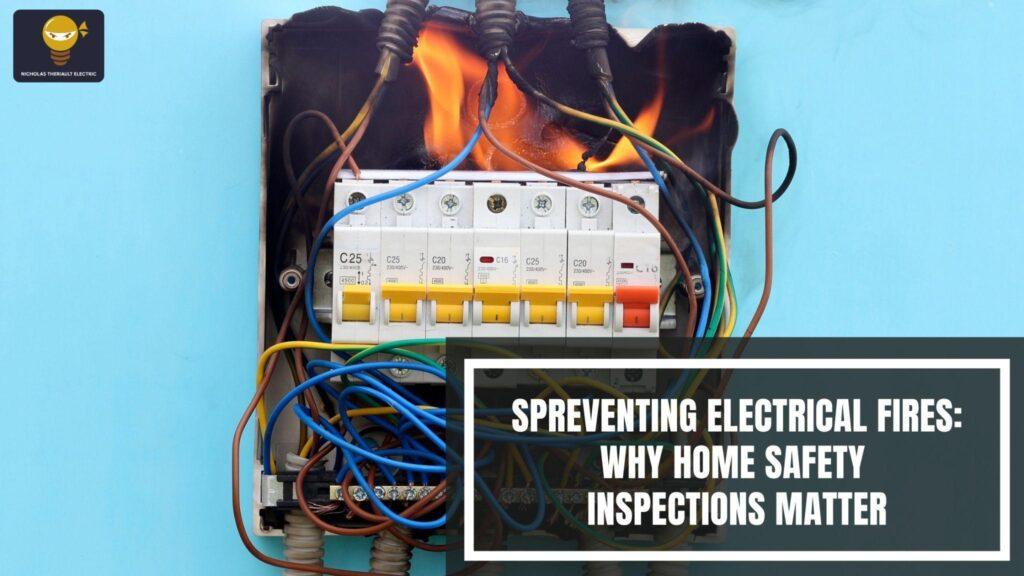
Preventing Electrical Fires: Are Your Electric Services Safe?
The Silent Threat Inside Your Walls
Your home’s electrical system powers everything—lights, appliances, heating, and entertainment. But beneath the walls, hidden dangers may be lurking. Faulty wiring, overloaded circuits, or neglected maintenance can turn a small spark into a raging fire within seconds.
According to the National Fire Protection Association (NFPA), electrical fires account for nearly 51,000 home fires each year in the U.S. These fires cause significant property damage, injuries, and even loss of life. The worst part? Many of these fires are preventable.
Regular home safety inspections, professional electric services, and timely electrical wiring repairs can reduce risks and keep your home safe. Whether you live in a modern house or an older home, understanding electrical fire hazards is essential.
Let’s explore why electrical inspections matter and how they help protect your family and property from devastating fires.
The Hidden Dangers of Faulty Electrical Systems
Most homeowners assume their electrical system is safe unless they experience an issue. However, many electrical problems remain invisible until they become serious. Neglecting small electrical issues can lead to costly and dangerous consequences.
Common Warning Signs of Electrical Problems
Homeowners should watch for these early signs to prevent electric services hazards.
✔ Flickering or dimming lights: Overloaded circuits or faulty wiring can cause lights to flicker or dim.
✔ Frequent circuit breaker trips: If your breakers keep tripping, your electrical system may be struggling to handle the load.
✔ Buzzing or crackling sounds: Electrical noises behind walls or in outlets may indicate loose or frayed wiring.
✔ Warm or discolored outlets: Overheated outlets are a major fire hazard and need immediate attention.
✔ Burning smell near electrical panels or outlets: If you detect a burning odor, turn off the power immediately and call a licensed electrician.
✔ Shocks when plugging in appliances: Minor shocks from outlets can be a sign of improper grounding.
Ignoring these early red flags can lead to dangerous electrical failures. Regular home safety inspections can detect and resolve these issues before they escalate.
Why Electrical Fires Happen
1. Faulty or Aging Wiring
Older homes often have outdated wiring systems that can’t handle modern power demands. Knob-and-tube wiring and aluminum wiring, commonly found in homes built before the 1970s, are much more prone to overheating and sparking.
As wires age, their insulation degrades, increasing the risk of short circuits and electrical fires. If your home is more than 30 years old, you should consider a professional electrical wiring upgrade.
2. Overloaded Circuits and Power Strips
Plugging multiple high-energy devices into a single outlet can overload the circuit, leading to excessive heat buildup. Many electrical fires occur because of:
- Overloaded power strips
- Too many high-wattage appliances on one circuit
- Plugging space heaters into extension cords (which can overheat and catch fire)
3. DIY Electrical Repairs
Electric services require expertise. Many homeowners attempt DIY repairs, leading to improper wiring connections, inadequate grounding, or missing safety features. These mistakes increase fire risks. Hiring a licensed electrician ensures repairs meet safety codes.
4. Faulty Outlets and Switches
Worn-out or loose outlets don’t provide proper connections, increasing the risk of sparking and overheating. Electrical safety inspections help identify faulty outlets and prevent potential fires.
5. Rodents and Pests Damaging Wires
Rodents often chew on electrical wires, stripping away insulation and exposing live wires. Exposed wires increase the chance of short circuits, sparks, and electrical fires.
Home electric services can identify pest-related damage and prevent major failures.
How Home Safety Inspections with Electric Services Prevent Fires
What Happens During a Professional Electrical Inspection?
A professional electrical inspection is a crucial step in ensuring your home’s electrical system is safe and functioning properly. During an inspection, a licensed electrician will conduct a thorough assessment, including:
✔ Checking wiring and connections – The electrician will examine the wiring throughout your home to identify loose, damaged, or outdated wiring that could pose a fire hazard. Faulty wiring is a leading cause of electrical fires, so early detection is essential.
✔ Testing outlets and switches – Each outlet and switch will be tested to ensure proper grounding and functionality. This process helps prevent overheating, which can lead to electrical fires.
✔ Examining the breaker panel – The breaker panel is inspected to detect any potential overload risks. Outdated or improperly functioning circuit breakers can fail to trip during power surges, increasing the risk of fire.
✔ Assessing grounding and surge protection – Proper grounding and surge protection play a vital role in preventing damage to electrical appliances and reducing the likelihood of electrical fires. A professional inspection ensures these safety measures are in place and working correctly.
✔ Evaluating overall circuit load – Overloaded circuits can overheat and cause serious electrical problems. The electrician will assess whether your home’s circuits can handle its power demand, making necessary recommendations to prevent issues.
The comprehensive electric services not only identify hidden fire risks but also ensure that your home meets safety standards. Addressing electrical issues early can prevent major hazards and costly repairs.
How Often Should Homeowners Schedule an Inspection?
Regular electric services are essential for maintaining a safe home environment. It is recommended that homeowners schedule an inspection.
- Every 3–5 years routine maintenance to identify potential hazards before they become serious problems.
- Before buying or selling a home ensure the electrical system is up to code and safe for the next occupants.
- After home renovations or appliance upgrades confirm that the electrical circuits can handle the increased load.
- If you notice electrical issues, such as frequent breaker trips, buzzing sounds, flickering lights, or burning smells, which may indicate wiring problems.
Routine inspections allow for early detection of electrical hazards, preventing dangerous fires and costly damage to your home.
Electrical Wiring Repairs: A Critical Step in Fire Prevention
Why Wiring Repairs Matter
If an inspection reveals faulty or outdated wiring, addressing these issues promptly is crucial to preventing electrical fires. Electrical wiring repairs and upgrades offer several benefits, including:
- Preventing overheating and short circuits – Faulty wiring can cause sparks and overheating, leading to electrical fires. Proper repairs reduce these risks.
- Improving energy efficiency – Upgrading old wiring can enhance system performance and reduce wasted electricity.
- Ensuring compliance with safety standards – Keeping your home’s electrical system updated ensures it meets the latest safety codes and regulations.
Common Wiring Repairs and Upgrades
✔ Replacing worn or damaged wires – Old, frayed, or damaged wires are a fire hazard. Replacing them helps prevent electrical shorts and sparks.
✔ Upgrading electrical panels – Older panels may struggle to handle modern appliances, increasing the risk of overload and fire. Upgrading ensures a safer and more efficient electrical system.
✔ Installing GFCI outlets – Ground Fault Circuit Interrupter (GFCI) outlets protect against electrical shocks and short circuits, making them essential in areas like kitchens and bathrooms.
✔ Correcting overloaded circuits – Distributing electrical loads properly prevents overheating and reduces the risk of fire.
✔ Adding whole-house surge protectors – These devices shield appliances and electronic devices from sudden power surges, preventing damage and reducing fire risks.
For those living in older homes, upgrading to modern, fire-resistant wiring can significantly reduce the chances of an electrical fire. Investing in these upgrades provides long-term safety and peace of mind.
Simple Steps to Reduce Electrical Fire Risks
In addition to regular inspections and repairs, homeowners can take proactive steps to minimize the risk of electrical fires.
- Never Overload Outlets: Plugging too many devices into a single outlet can cause overheating. Use surge protectors and distribute appliances across multiple circuits to avoid overloading.
- Replace Frayed or Damaged Cords: Cracked or frayed electrical cords can spark and start fires. Inspect cords regularly and replace any that show signs of wear.
- Turn Off Unused Appliances: Leaving appliances plugged in when not in use can lead to overheating. Unplugging them reduces the risk of electrical failures.
- Schedule Regular Electric Services: Routine inspections by a licensed electrician help identify potential hazards before they become serious problems, ensuring your home remains safe.
- Educate Family Members About Electrical Safety: Teaching children and household members about electrical hazards and warning signs can prevent accidents. Make sure everyone knows what to do in case of an electrical emergency.
By taking these preventive measures, you can significantly reduce the risk of electrical fires and ensure your home remains safe for years to come.
Frequently Asked Questions (FAQs)
1. How often should I get an electrical home safety inspection?
Every 3–5 years, or immediately if you notice electrical issues.
2. Can I fix electrical problems myself?
No. DIY electric services are extremely dangerous and can cause fires or injuries. Always hire a licensed electrician.
3. What causes most electrical fires?
Faulty wiring, overloaded outlets, damaged cords, and DIY repairs are top causes of home electrical fires.
4. How do I know if my home needs rewiring?
Frequent breaker trips, flickering lights, and outdated wiring indicate the need for an upgrade.
5. Does homeowners insurance cover electrical fires?
Yes, but claims may be denied if poor maintenance or outdated wiring caused the fire.
Conclusion: Prioritize Electrical Safety Today
Electrical fires can destroy homes and lives, but preventive action saves both. Don’t wait for warning signs to turn into disasters—schedule a professional home safety inspection today.
Keep your home safe with expert electric services and electrical wiring repairs. Contact NT Electrician today to schedule your inspection and protect your home from electrical hazards!